The Equestrian Tradition of Rancho Santa Fe
Long before Rancho Santa Fe became synonymous with estate living and architectural restraint, it was shaped by horses, land, and the quiet discipline required to steward both. The equestrian tradition here is not ornamental. It is lived, daily, and with intention.
This landscape was never designed for speed. Roads curve instead of cutting straight. Fences guide rather than divide. Movement unfolds gradually, shaped by the rhythm of hooves rather than the urgency of schedules. There is a natural order to it. One that asks for patience.
In Rancho Santa Fe, horses do more than occupy space. They define it. They influence how land is preserved, how homes are positioned, and how life is experienced. The tradition endures not because it is protected, but because it continues to serve a purpose.
The Equestrian Center as a Cultural Anchor
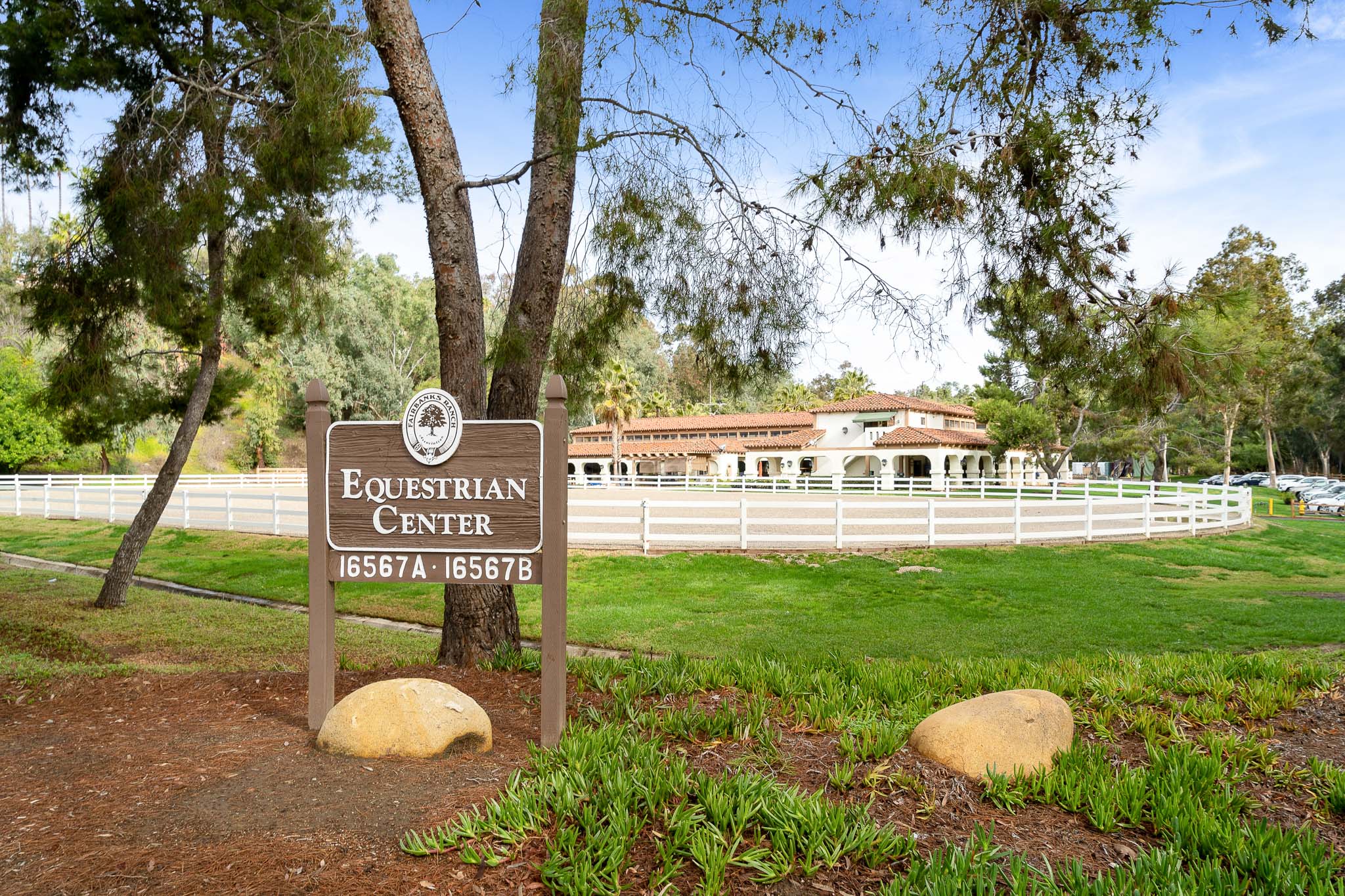
At the heart of this way of life is the equestrian center. Not as a destination, but as a constant. A place where routines are repeated quietly over time, where familiarity matters more than spectacle.
Set within preserved land and framed by mature trees, it reflects the same principles that shape the community itself. Nothing feels excessive. Nothing competes with the surroundings. It exists in balance.
Riding here is not separate from daily life. Trails extend outward, connecting neighborhoods in ways that feel organic rather than planned. Riders pass through spaces that have remained largely unchanged, reinforcing a sense of continuity that is difficult to replicate elsewhere.
The experience is subtle. But it is consistent. And that consistency is what gives it meaning.
Trails That Shape the Landscape
The bridle trails are among the most defining features of Rancho Santa Fe. They are not recreational additions. They are part of the original design of the community.
These paths move quietly through the landscape, preserving open space while allowing for connection. Wide enough for horses. Gentle in grade. Natural in footing. Everything about them reflects intention.
They also create distance. Between homes. Between noise and stillness. Between one moment and the next.
To ride here is to move differently. There is a heightened awareness of terrain, of light, of subtle shifts in the environment. Horses require attention. They respond to it. And in that exchange, the rider becomes more present.
That connection between movement, land, and shared space reflects a broader idea of common ground in Rancho Santa Fe, where the environment quietly shapes how people relate to one another.
Over time, that presence turns into stewardship.
A Tradition Without Performance
What makes Rancho Santa Fe distinct is not simply that equestrian life exists here. It is how it exists.
There is no sense of performance. No need to display it. Horses are part of the rhythm of daily life, not a backdrop to it.
Children grow up understanding responsibility through care and repetition. Adults return to riding as a way to reconnect. Not for attention, but for grounding.
The tradition is passed quietly. Through observation. Through time spent in the saddle. Through shared respect for space and for one another.
Nothing about it feels staged. And that is precisely what gives it authenticity.
This same sense of quiet continuity can be seen in the quiet bond that defines Rancho Santa Fe, where relationships are built through repetition and time.
Where Architecture Meets the Land
In Rancho Santa Fe, horses influence more than movement. They shape design.
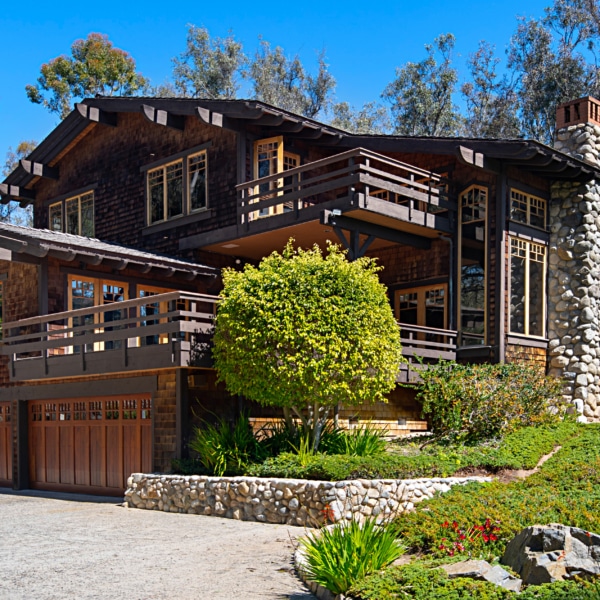
Barns are integrated into properties rather than separated. Riding arenas are positioned with restraint. Materials echo the surrounding terrain instead of competing with it. Everything is considered in relation to the land.
This approach reflects a broader philosophy. Structures are meant to support life, not dominate it. The landscape remains the focal point.
Even within private estates, there is a sense that nothing exists in isolation. The horse, the home, and the land are part of the same composition.
The Value of Holding On
In a time when many communities trade heritage for density and speed, Rancho Santa Fe has chosen a different path.
The equestrian tradition remains because it continues to shape how people live. It preserves open land. It encourages patience. It reinforces a relationship with place that cannot be replicated through design alone.
This is not about nostalgia. It is about continuity.
Horses still move through the trails in the early morning. Fences still follow the natural lines of the land. Life still unfolds at a pace that allows it to be noticed.
In Rancho Santa Fe, the equestrian tradition is not preserved as memory. It is lived, quietly, every day.
This perspective is part of a broader understanding of Community, where land, tradition, and daily life remain closely connected.